
Stephan Cahen is an award-winning producer & engineer.
Stephan Cahen was born in Wuppertal, Germany, in 1974, the son of a German violist and a French cellist, both professional orchestral musicians. Music was omnipresent in his childhood home, and he grew up surrounded by rehearsals, concerts and the orchestra pit. He began playing the violin at the age of five and later took up the piano. His first ambition, however, was to become a conductor: instead of taking a nap during his lunchtime break, he would practise tirelessly in front of the record player, conducting along to his favourite recordings. When he was seven, the family moved to Bochum, in the culturally vibrant Ruhr region.
At the age of thirteen, a school friend introduced him to the fascinating world of recording technology. Together, they began recording school concerts, chamber music evenings and local festivals with whatever equipment they could get hold of – initially two AKG C1000 microphones and a Revox tape machine, later a borrowed Sony PCM-F1 digital recorder – supplementing their pocket money by selling cassette copies of the performances. At sixteen, they produced a vinyl record featuring the school orchestra and jazz band. For the disc cutting, they attended a session with renowned mastering engineer John Cremer at EMI Studios in Cologne, where Stephan experienced the captivating atmosphere of a professional recording studio for the first time.
Soon they were also producing demo recordings for local bands, while collaborations with orchestras throughout the Ruhr region led to a wide range of live-sound projects. From the mixing desk, Stephan worked on concerts with the Bochum Symphony Orchestra and guest artists including Ian Anderson of Jethro Tull, Herbert Grönemeyer, John Corigliano and Mauricio Kagel. For many years, he was also responsible for the live sound of the orchestra's popular end-of-season open-air concerts, attended by audiences of several thousand.
After graduating from school, Stephan initially studied musicology at Ruhr University Bochum before moving on to Sound and Video Engineering at the Robert Schumann Conservatory of Music in Düsseldorf. During his studies, he assisted renowned recording producers and received awards for his first recordings from the Association of German Tonmeisters (VDT) and the Audio Engineering Society (AES). He also began working as a technician at the Düsseldorf studio of German public broadcaster ZDF, both on live broadcasts and in the control room. At the same time, he made his first professional recordings as a freelance producer, released by Telos Records in 1998.
In 1999, during a university project, he met fellow student Jin Choi. They quickly discovered a shared musical and technical philosophy and, while still students, founded sempre la musica (slm), a music production company operating in both Germany and South Korea. Their client list soon included prominent musicians and ensembles, while Christian Zimmerli's Düsseldorf-based Studio Zimmerli provided a professional base for post-production.
Even during the early years of their collaboration, the two founders built up an impressive catalogue of productions, including a Beethoven symphony cycle with the Gangnam Symphony Orchestra and their first projects with the Seoul Philharmonic Orchestra, released by Deutsche Grammophon Korea. To this day, the Seoul Philharmonic remains one of slm Korea's longest-standing clients.
At the same time, Stephan remained fascinated by the world of television. He began working part-time as a sound engineer in the post-production and dubbing department at WDR Television, recording dialogue and mixing projects ranging from short news features to full-length art-house films. He later took on a similar role at ZDF's headquarters in Mainz, accumulating more than thirteen years of freelance experience with Germany's two major public broadcasters.
In 2006, Stephan collaborated with composer Kai Rosenkranz on the soundtrack for the blockbuster PC game Gothic 3, developed by Piranha Bytes. Featuring a large symphony orchestra, choir, Japanese percussion ensemble and other international artists, the production was widely regarded as groundbreaking for its genre and received numerous international awards. Further game-music projects followed, including Drammatica – The Very Best of Yoko Shimomura for Square Enix in Japan and Symphonic Fantasies Tokyo for Merregnon Studios, recorded live in Japan and mixed in Germany.
In 2008, Stephan fulfilled another childhood ambition by founding his own record label, myrios classics. He launched the label internationally at MIDEM in Cannes, securing worldwide distribution from the outset. Its first releases included violist Tabea Zimmermann's SOLO, which became a major international success. Other distinguished artists soon joined the label, among them pianist Kirill Gerstein, the Hagen Quartet and composer-clarinettist Jörg Widmann.
Running myrios classics broadened Stephan's work far beyond recording production and sound engineering. He became closely involved in artistic and repertoire planning, financial and strategic management, public relations, and the positioning of artists and recordings in an increasingly complex international music market. For more than fifteen years, myrios classics has established itself as a highly regarded boutique label known for uncompromising artistic and technical standards. In 2021, Stephan founded a second label, Avenir Records.
Alongside his own labels, Stephan increasingly became sought after as a recording producer and engineer for other record companies, including Deutsche Grammophon, Decca, Sony/RCA, harmonia mundi France, naïve, Alpha and Wergo, as well as broadcasters such as Deutschlandfunk, WDR, and SWR. In 2013, he produced recordings with the London Symphony Orchestra for Decca and with the London Philharmonic Orchestra under its then Principal Conductor Vladimir Jurowski, together with violinist Patricia Kopatchinskaja, for the French label naïve.
Productions under his artistic and technical direction have received a remarkable range of international distinctions, including numerous ECHO Klassik and OPUS Klassik awards, BBC Music Magazine Awards, Gramophone Awards, the Diapason d'Or de l'année, Choc de Classica, International Classical Music Awards (ICMA), Opus Klassiek Awards, Limelight Magazine Awards and Presto Music Awards, alongside countless recommendations and distinctions from broadcasters and leading music publications around the world.
In 2015, Stephan accepted a permanent position as recording producer and deputy head of the music production department at WDR, one of Europe's largest public broadcasters. For more than three and a half years, he was responsible for a wide range of symphonic, chamber-music, crossover and cross-media productions. He subsequently decided to return his focus to freelance work and to his activities for myrios and other labels, while continuing his collaboration with WDR and Deutschlandfunk as a freelance recording producer.
Projects during this period included productions with the Deutsches Symphonie-Orchester Berlin, the Swedish Radio Symphony Orchestra under Daniel Harding, composer Thomas Adès and legendary actor Bruno Ganz. Shortly before Ganz's death, Stephan produced his final recording, Richard Strauss's melodrama Enoch Arden.
In the same period, Stephan began an extensive collaboration with the Gürzenich Orchestra Cologne and its then Chief Conductor François-Xavier Roth. In addition to numerous concert streams and broadcasts, the collaboration resulted in major Schumann and Bruckner symphony cycles for release on SACD, CD and digital formats, developing into a long-term partnership spanning more than six years.
The Covid-19 pandemic brought a sudden and dramatic shift towards video streaming as orchestras and musicians sought new ways of reaching audiences unable to attend live performances. By the end of the pandemic, Stephan had been responsible for well over one hundred streams involving orchestras, ensembles and soloists, alongside numerous album productions.
Among these were the highly acclaimed recording of Bach's St John Passion with Masaaki Suzuki and Bach Collegium Japan, for which Stephan served as recording and balance engineer; Brahms's String Sextets with the Belcea Quartet, Tabea Zimmermann and Jean-Guihen Queyras; and Schumann's Piano Quartet and Piano Quintet with Isabelle Faust, Anne Katharina Schreiber, Antoine Tamestit, Jean-Guihen Queyras and Alexander Melnikov, which he produced.
More recent collaborations include projects with mezzo-soprano Anna Lucia Richter and Spanish pianist Javier Perianes, spanning both album production and television; the completion of the long-awaited Beethoven String Quartet cycle by Quatuor Mosaïques for naïve; and recordings and streams with Andrés Orozco-Estrada following his appointment as Chief Conductor of the Gürzenich Orchestra Cologne.
Beyond his work in the studio and concert hall, Stephan is a regular guest at conferences, panel discussions, radio programmes and video formats, contributing his expertise in music production, recording technology and the international classical-music industry. His long-standing enthusiasm for multichannel audio, combined with extensive practical experience in immersive recording and production formats including Dolby Atmos, has also made him a sought-after lecturer and trainer. For several years, he worked as a training partner of the ARD.ZDF medienakademie in Nuremberg, teaching fellow professionals in these fields.
Stephan has lived with his family near Cologne since 2013.

Recordings done! With Dénes Várjon, Tabea Zimmermann & Jörg Widmann at Siemensvilla Berlin

Serious discussions with Reinbert de Leeuw, Philharmonie Essen

The unforgetable, unimitated Bruno Ganz during his final recording (Strauss' Enoch Arden) with Kirill Gerstein, Traumton Studios Berlin

ECHO Klassik Awards, Berlin
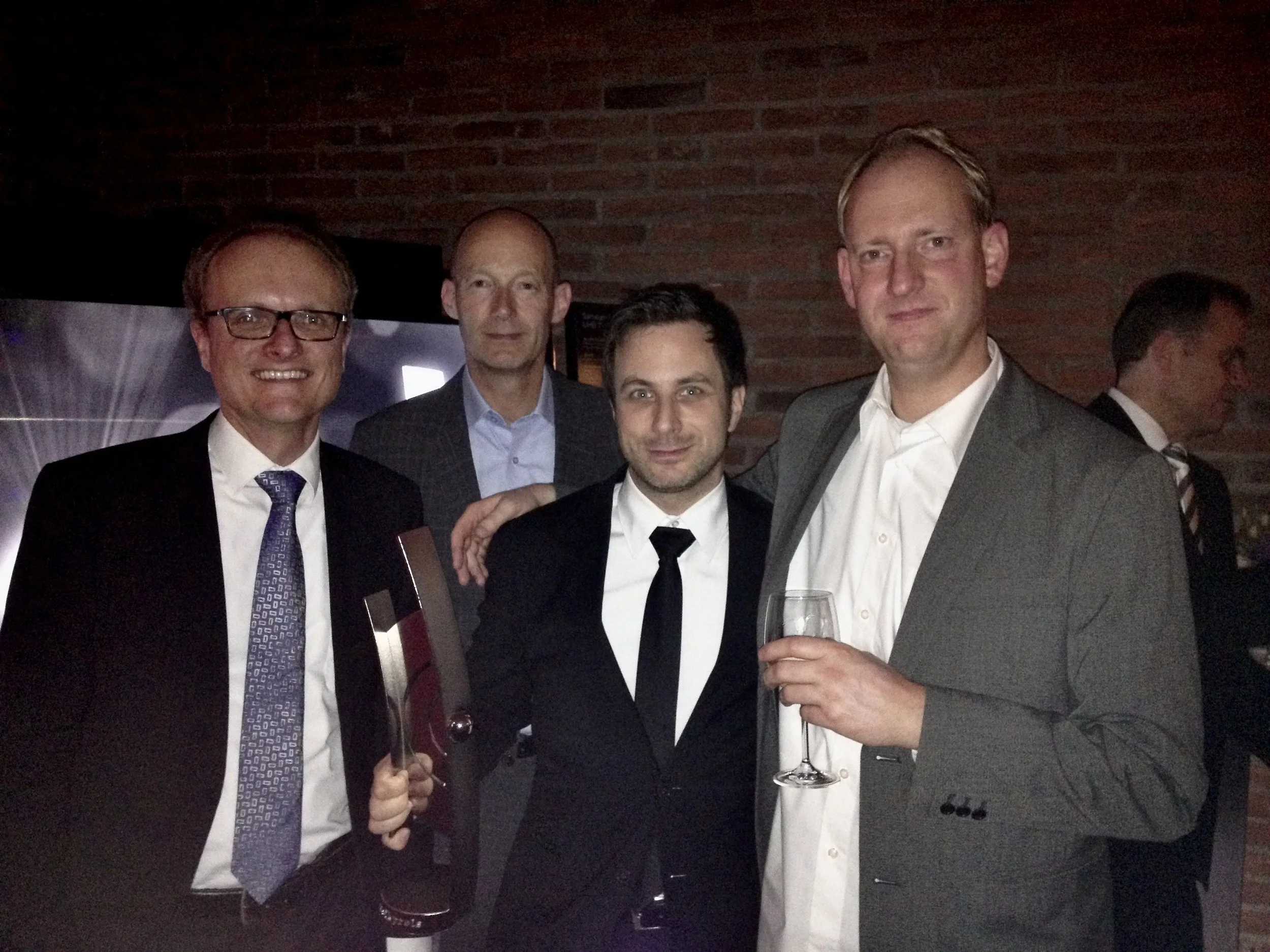
Celebrating another ECHO Klassik with the harmonia mundi distribution team
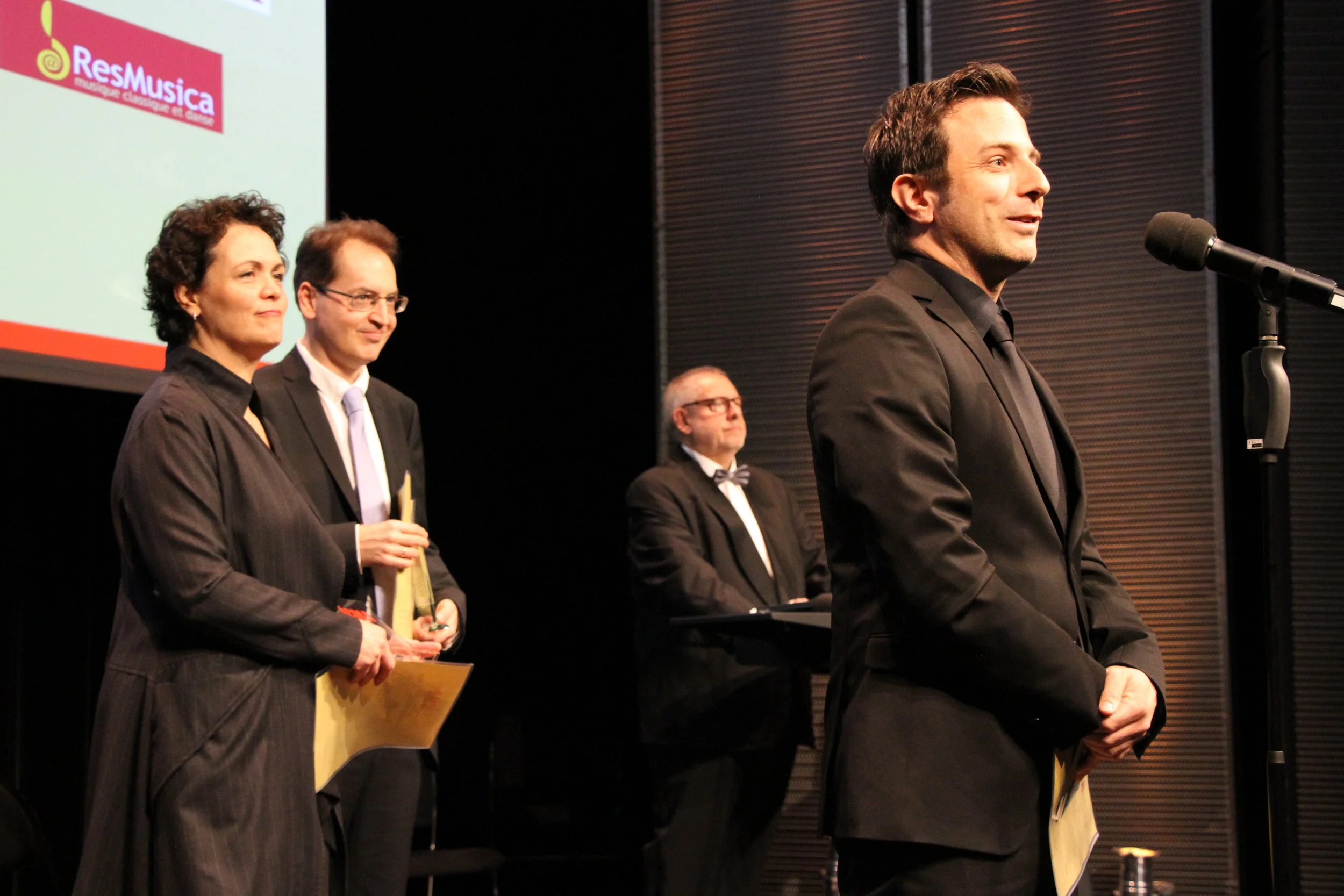
With Tabea Zimmermann and Dénes Várjon (ICMA chairman Rémy Franck in the background), accepting the ICMA prize for the "Album of the Year" in Lucerne

Schoeps Microphone Forum 2024, Karlsruhe

Presenting Bruckner symphonies in Dolby Atmos

With piano magician Michel Brandjes, always inspiring pianist Javier Perianes and balance engineer Dirk Fischer in Hannover

In the WDR OB van
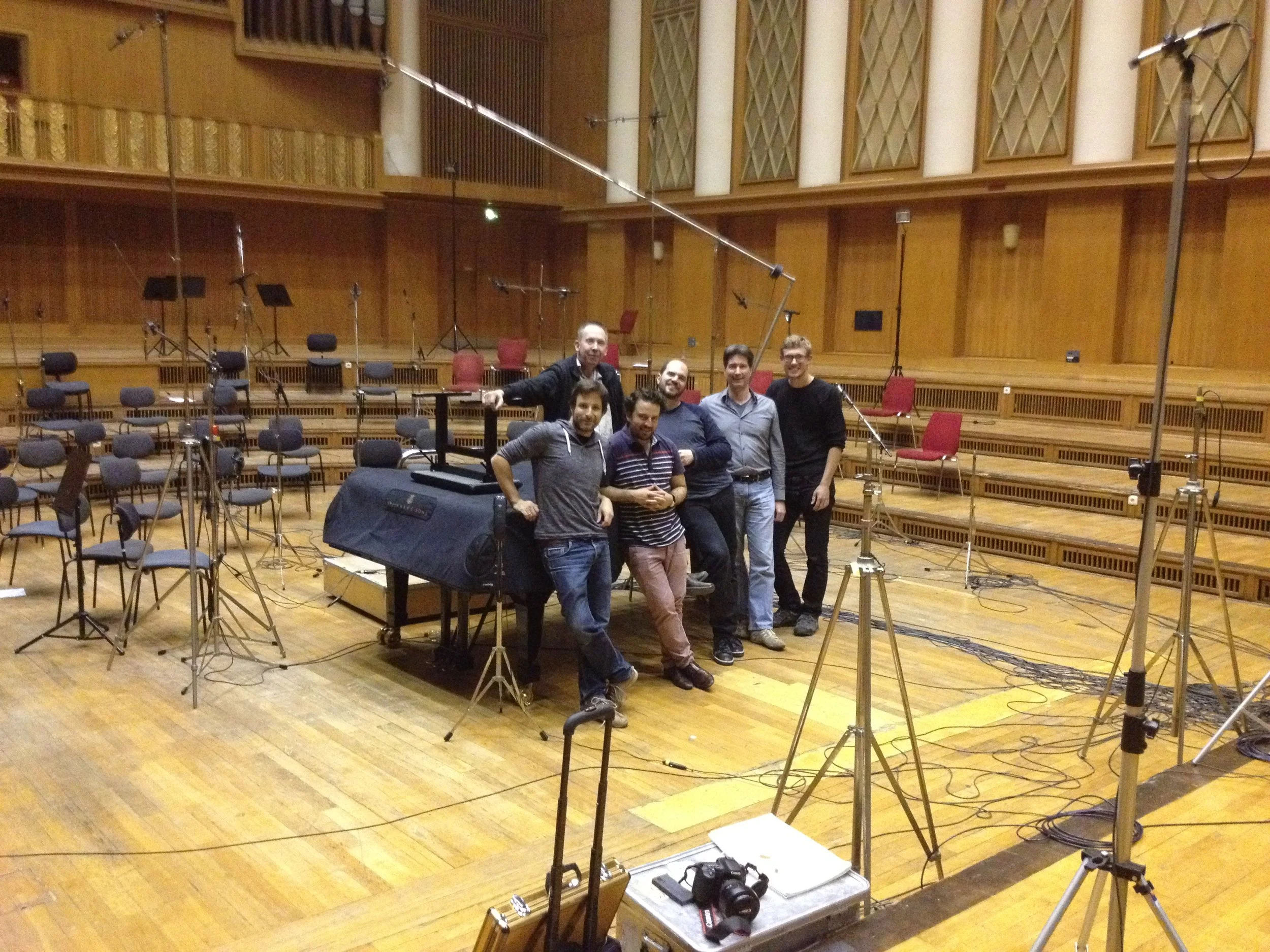
Recording done with piano technician Thomas Hübsch, James Gaffigan, Kirill Gerstein, balance engineer Stephan Flock and assistant engineer Douglas Ward, Nalepastrasse Berlin

Another Bruckner done. Editing in a hotel room in Munich with FXR

Editing with dearest Kirill Gerstein

Next day Covid 19 unplugged the (music) world. Recording Bach with Suzuki-san Sr. and Jr., together with Recording Producer Martin Sauer, having finished in the very last moment before lockdown.

Remote producing during Covid 19. Kirill Gerstein and Thomas Adès at NY's Academy of Arts and Letters, while I had to stay at home...

With Schagajegh Nosrati at Deutschlandfunk, Cologne
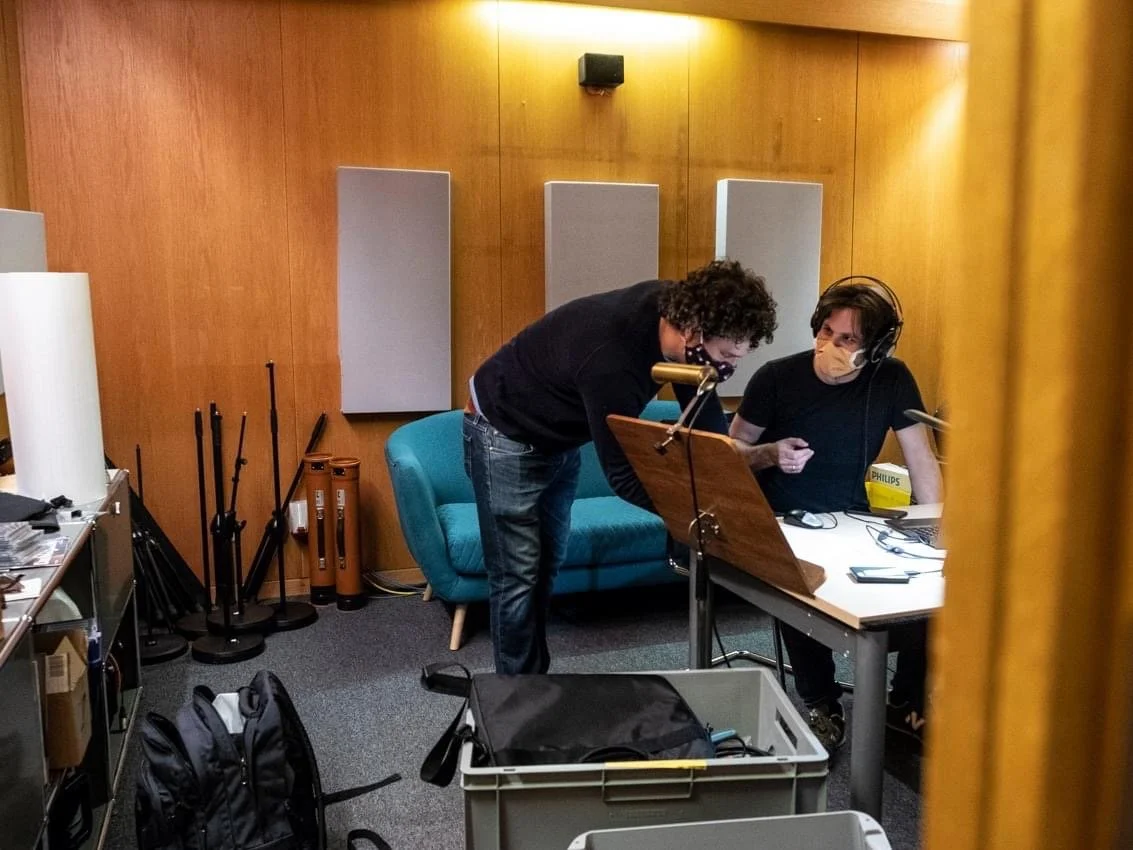
In discussion with Gürzenich orchestra's principal oboist Tom Owen, Philharmonie Cologne
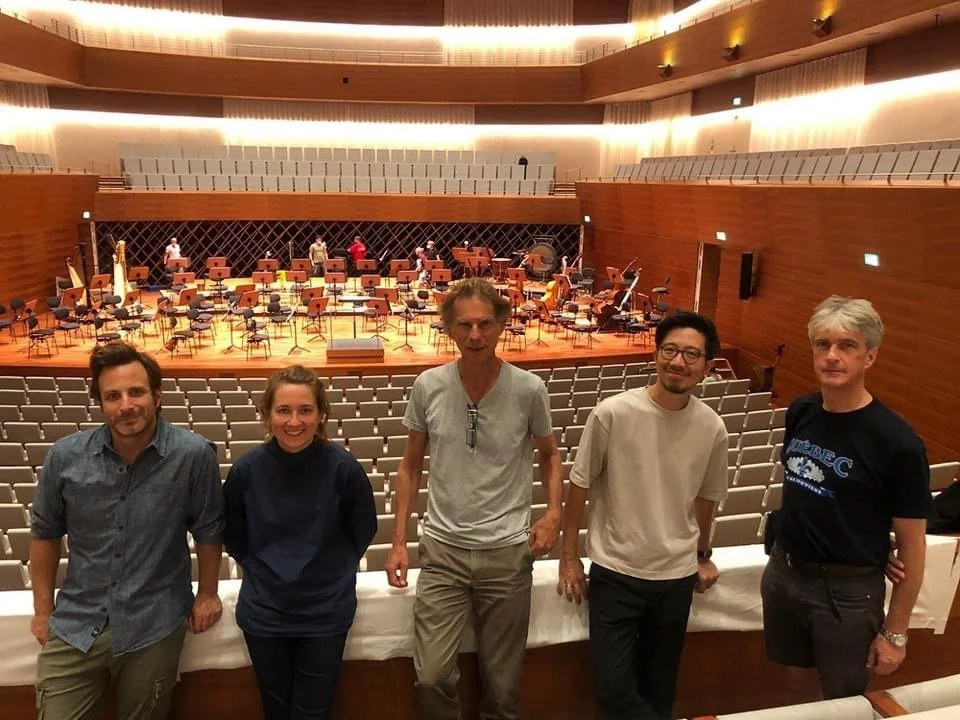
Discussing and optimizing acoustic details of the newly built Bochum concert hall with conductor Ustina Dubitsky, acoustics mastermind Eckhard Kahle, Bochum Symphony Orchestra's chief conductor Tung-Chieh Chuan and acoustician Cees Mulder
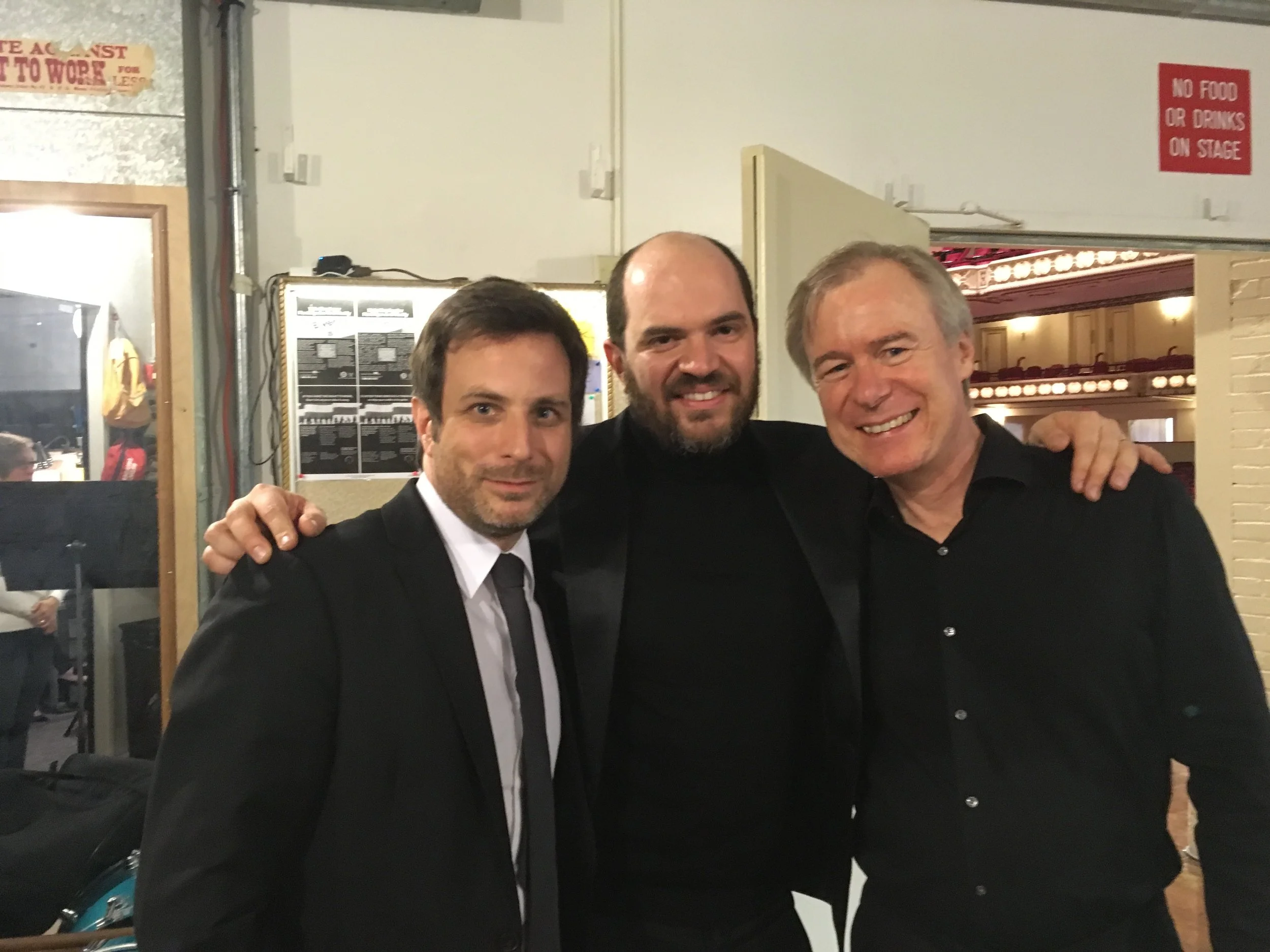
At the live concert recordings of "The Gershwin Moment" with Kirill Gerstein and David Robertson, St. Louis Symphony Hall

Going crazy after intense recording days with the Belcea Quartet, Tabea Zimmermann and Jean-Guihen Queyras, Konzerthaus Vienna
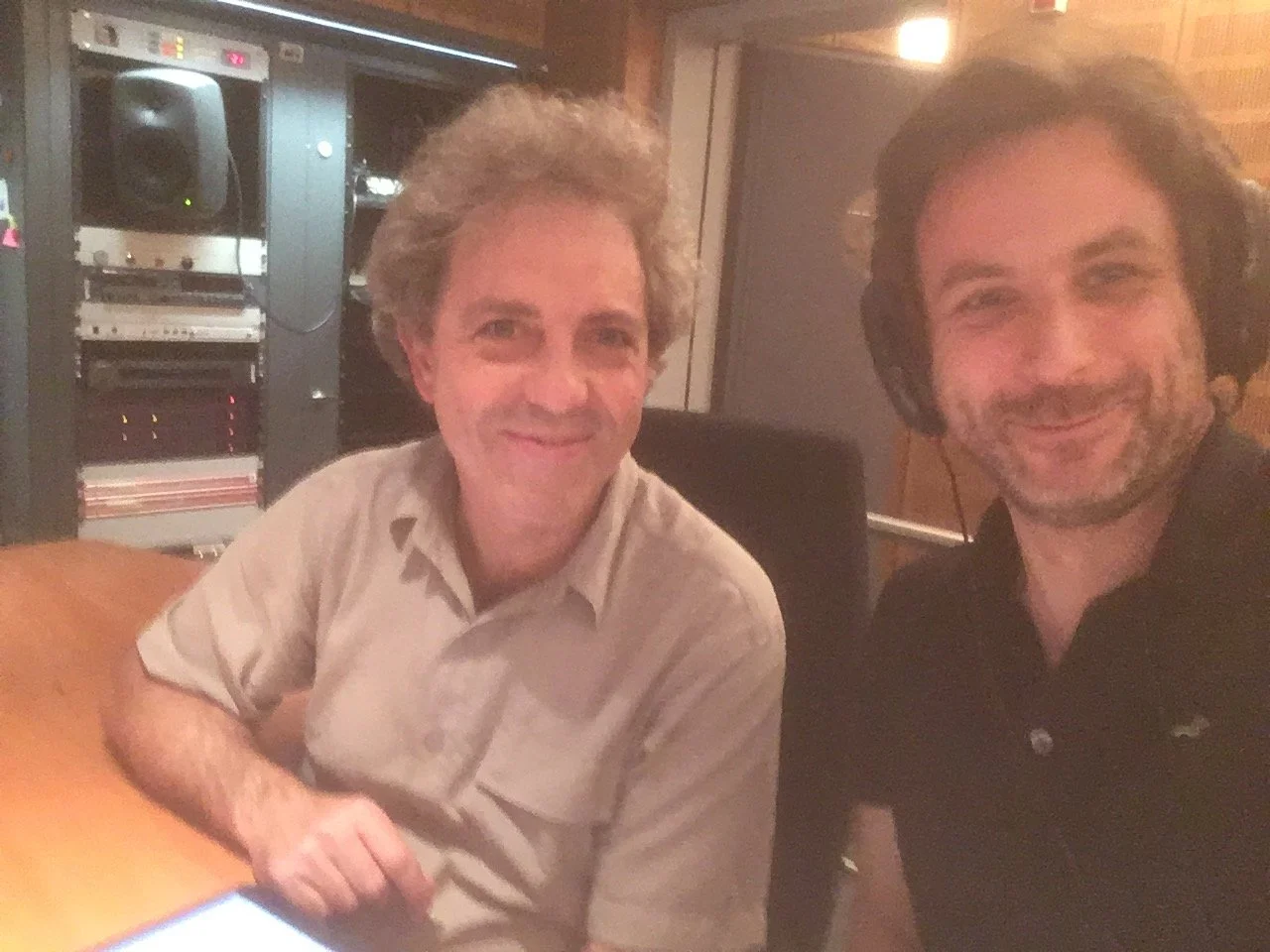
Stefano & Stephan. At the WDR studios Cologne with composer Stefano Gervasoni
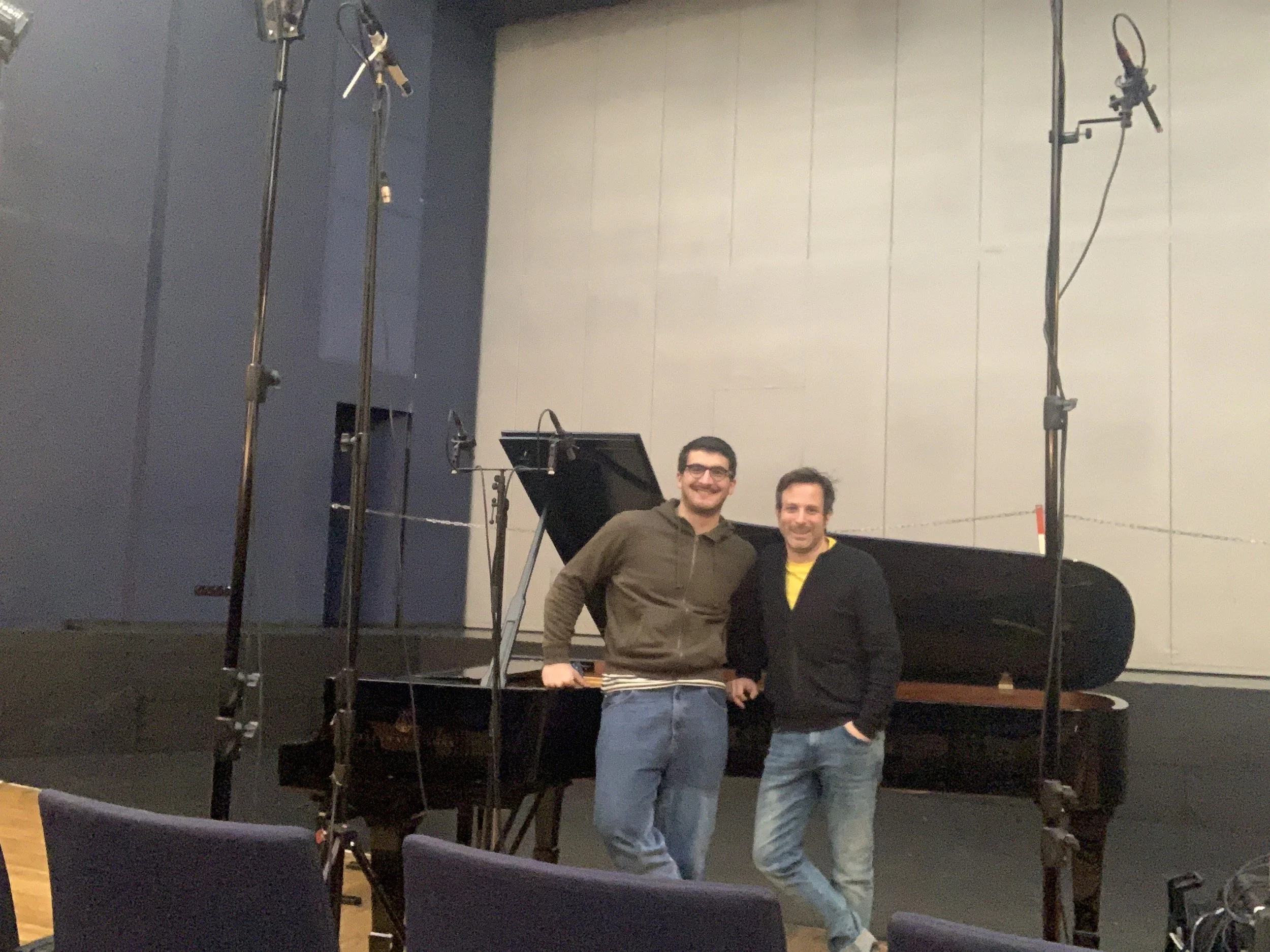
Debut album done! With Giorgi Gigashvili, Bayer Erholungshaus Leverkusen
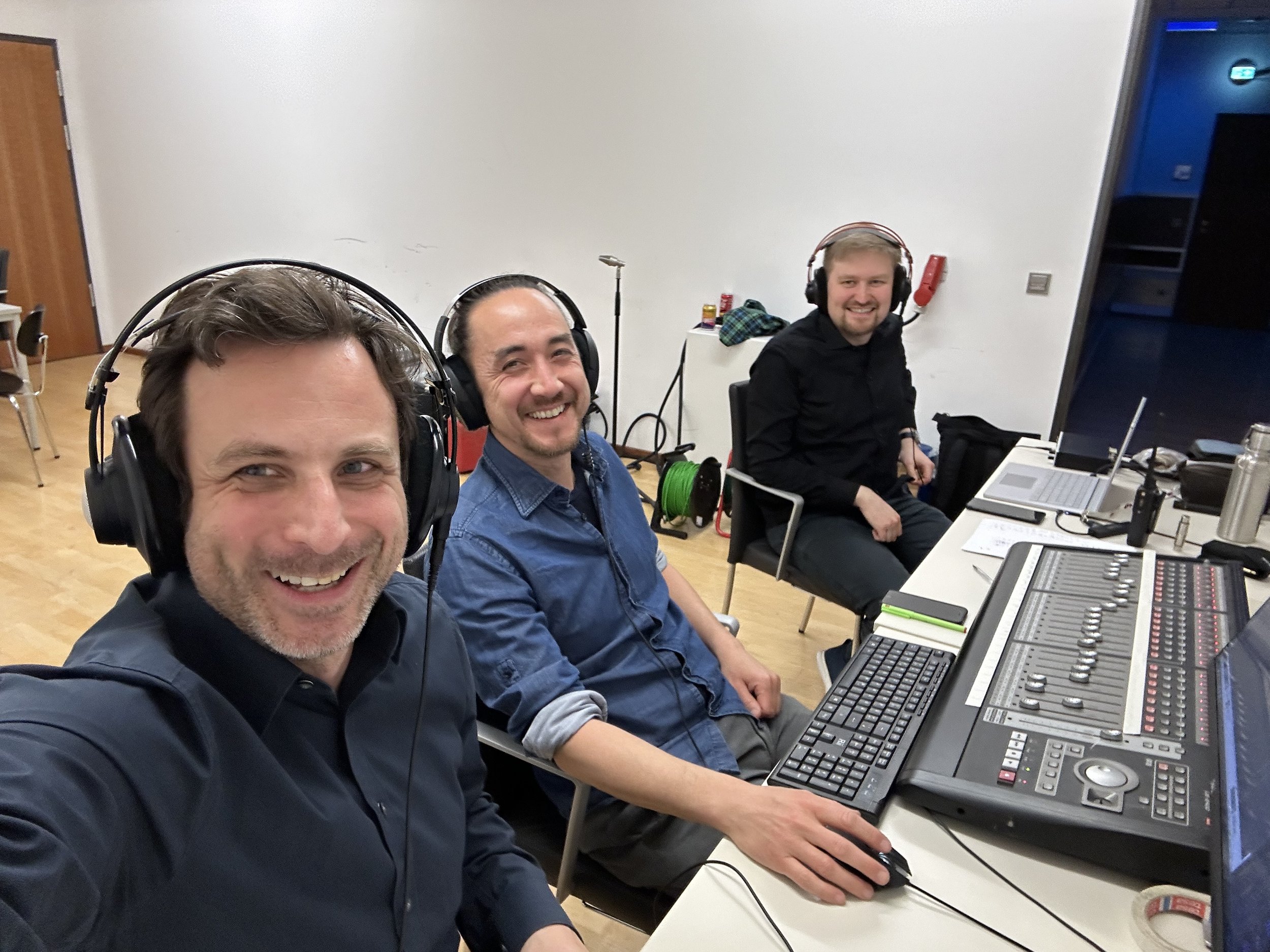
Hard work, much fun! With recording engineers David Schwager and Daniel Przemus at Mercatorhalle Duisburg
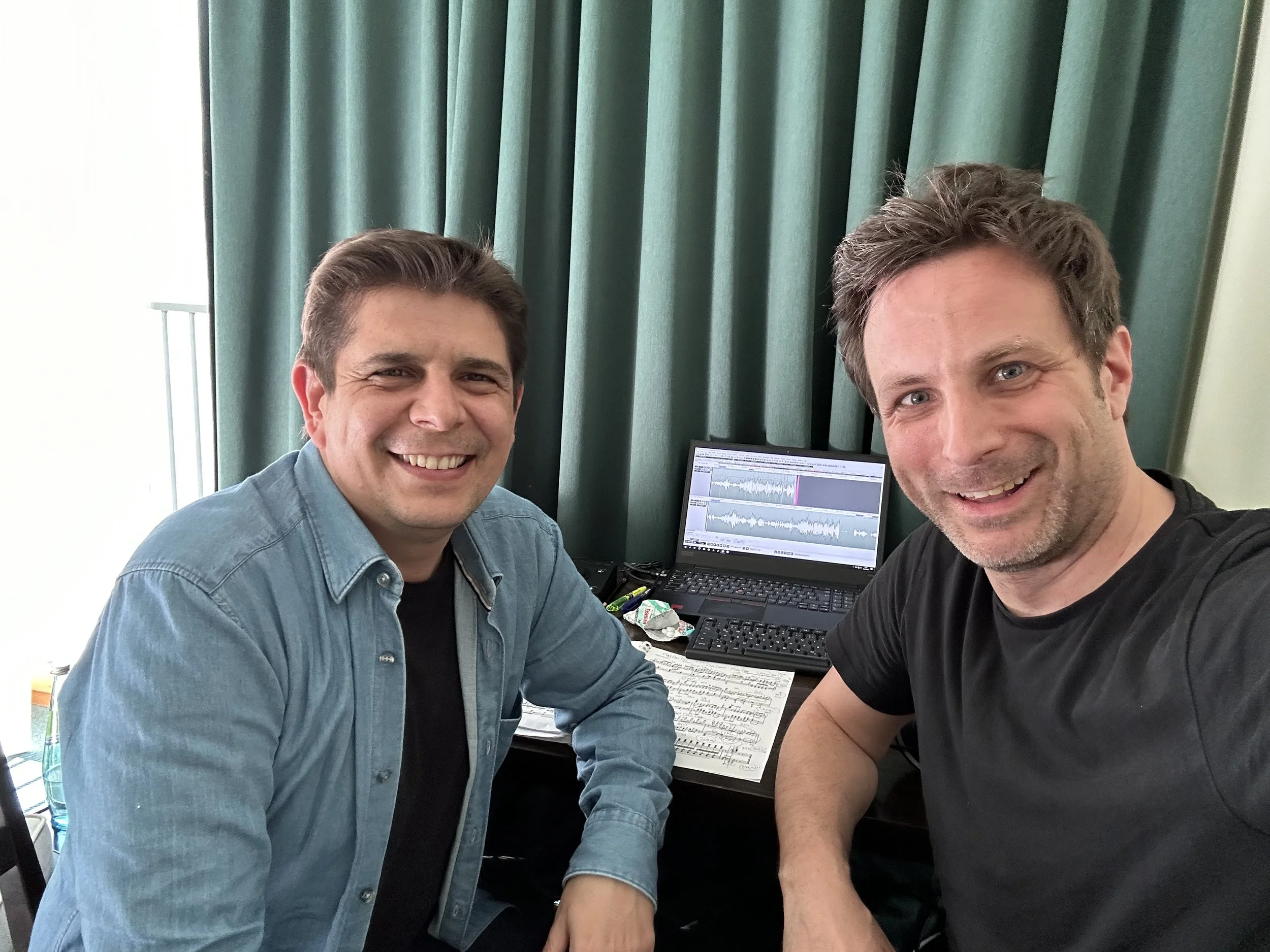
Editing with Javier Perianes at the hotel in Berlin
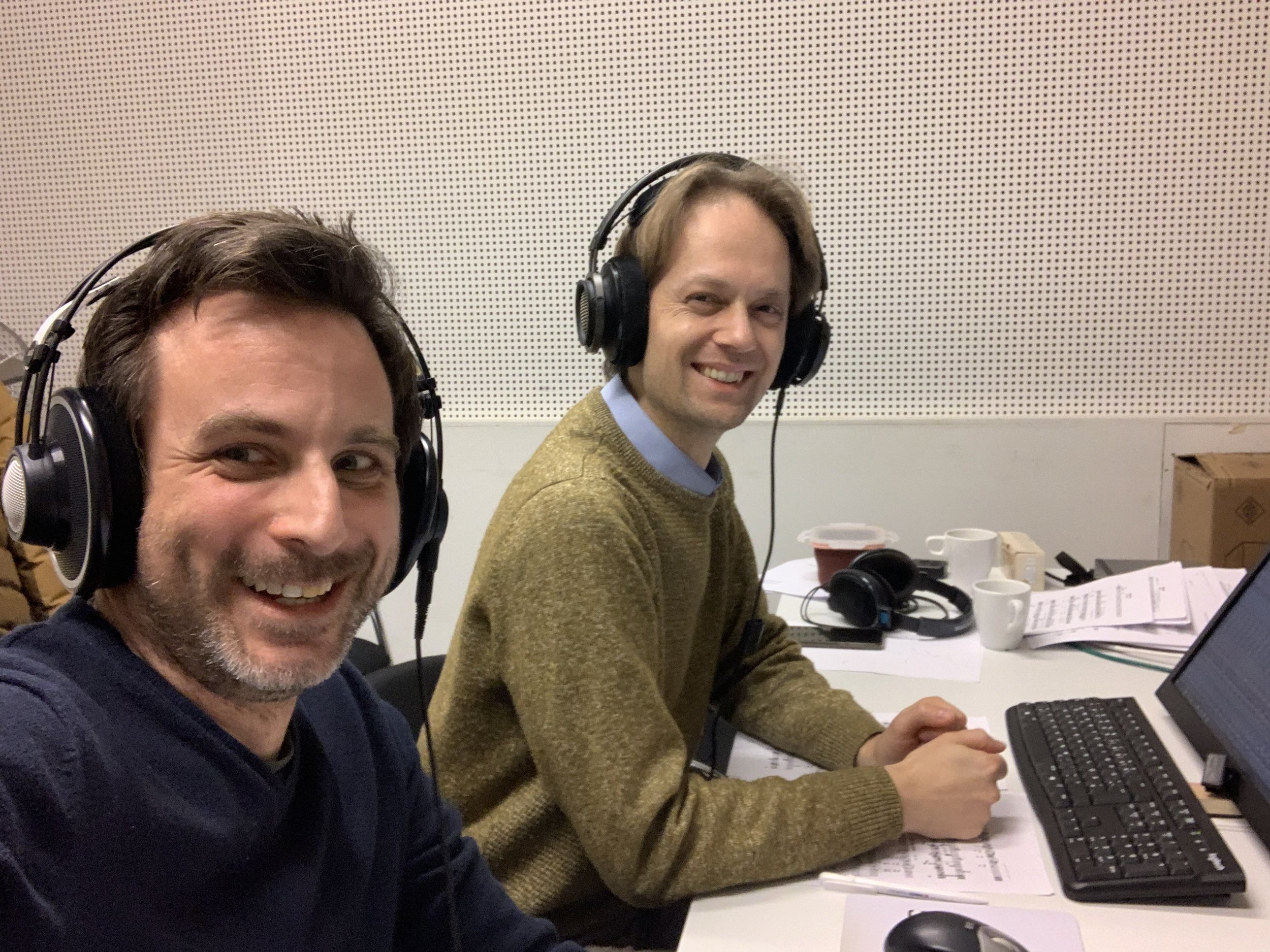
With balance engineer Dirk Fischer at Siemensvilla Berlin

With TV director Robert Gummlich and James Conlon at Philharmonie Cologne

At the Deutschlandradio control room at Jesus-Christus-Kirche, Berlin

With dear colleagues, mates & partners in crime Jin Choi and Kaling Hanke
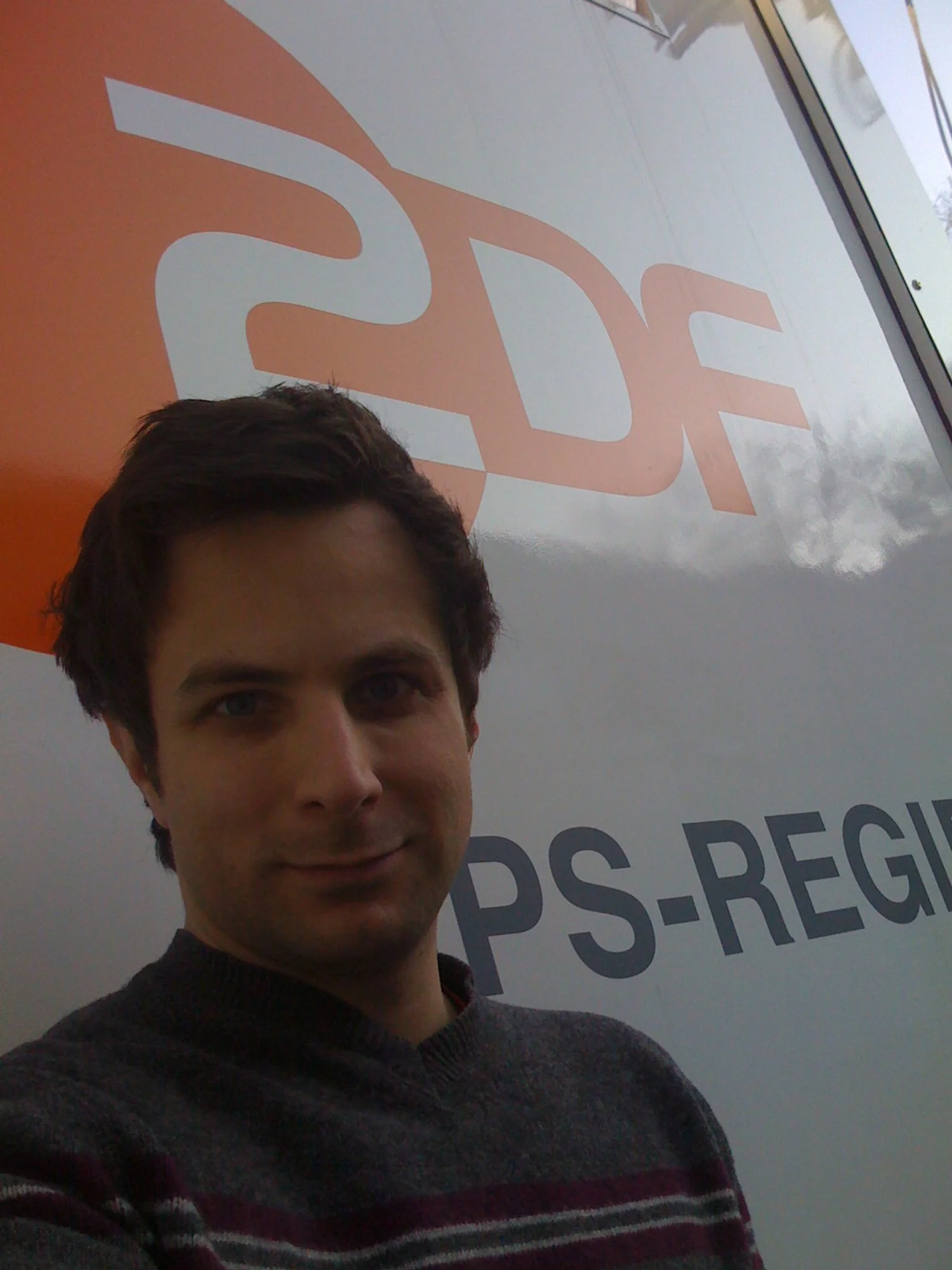
ZDF Mobile control room

Producing for the WDR

Don't breathe, but listen! With recording engineer David Schwager mixing late night at Cologne Opera
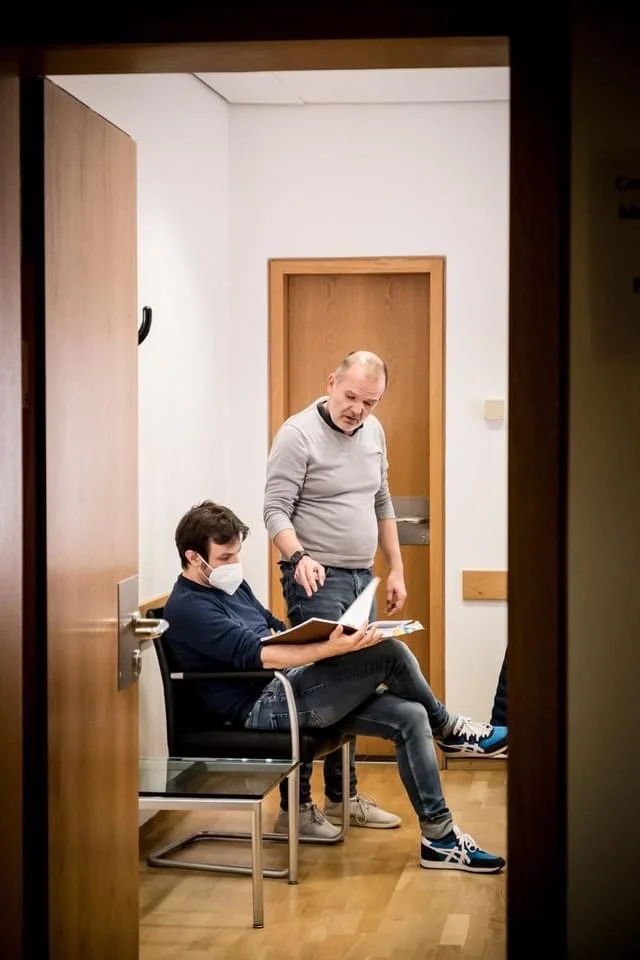
Schumann symphonies cycle with FXR
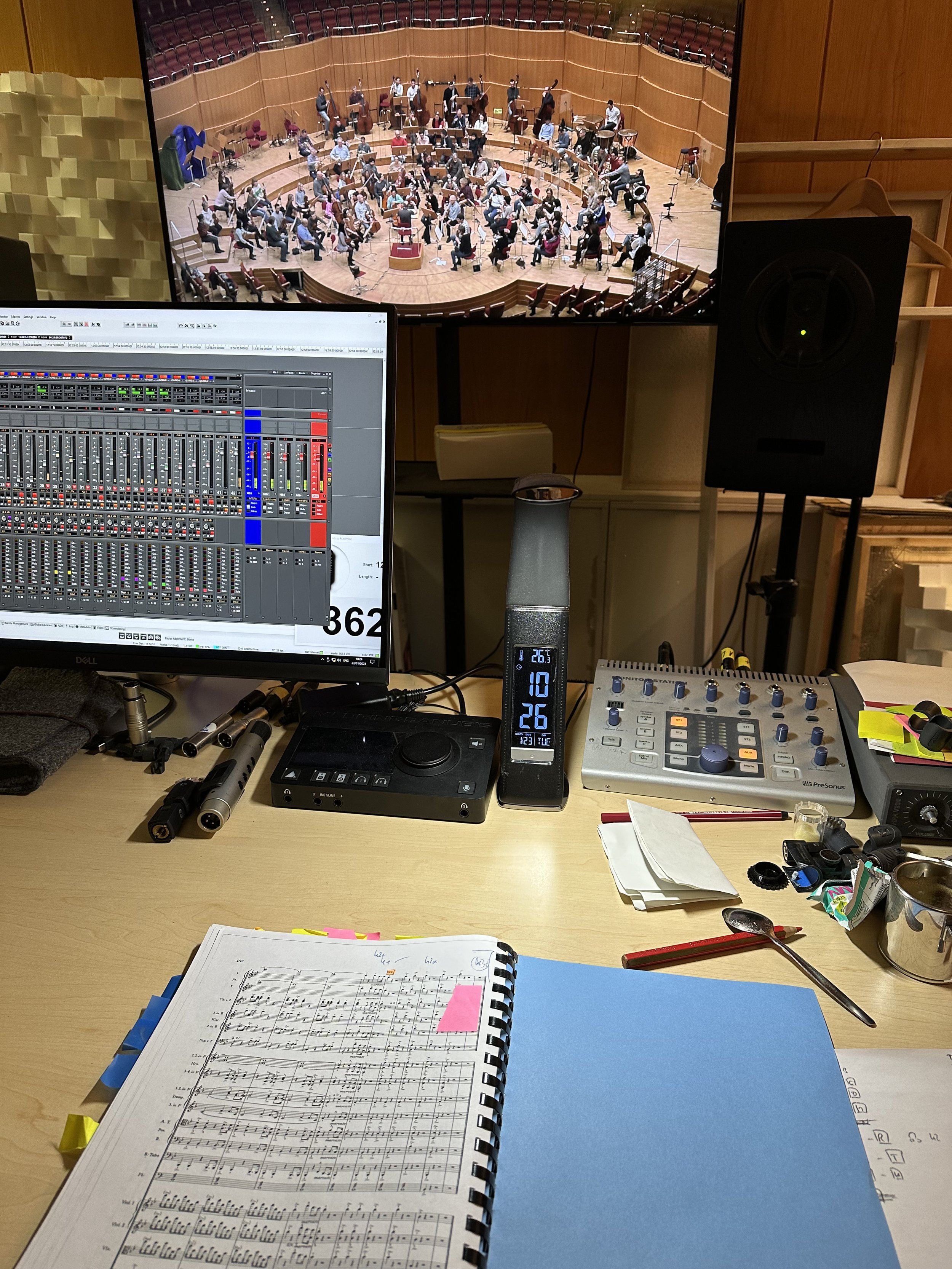
Final take of 9 Bruckner Symphonies throughout 5 years with Gürzenich Orchestra Cologne and François-Xavier Roth for myrios classics

Having some decent wine with the Quatuor Mosaiques in Padova, Italy, upon finishing the recordings.
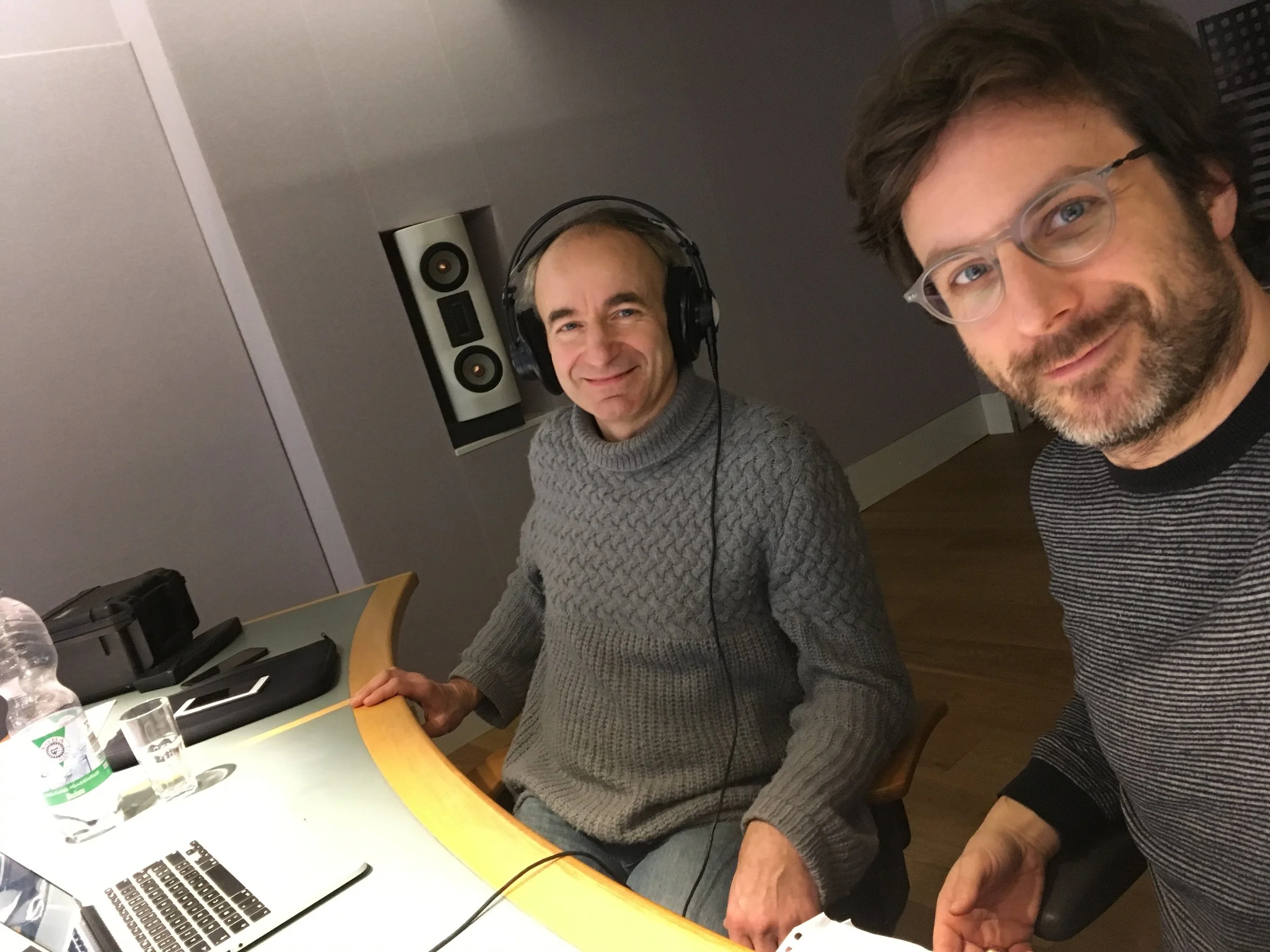
With Dietrich Hentschel, working on the "Wunderhorn" project, Düsseldorf
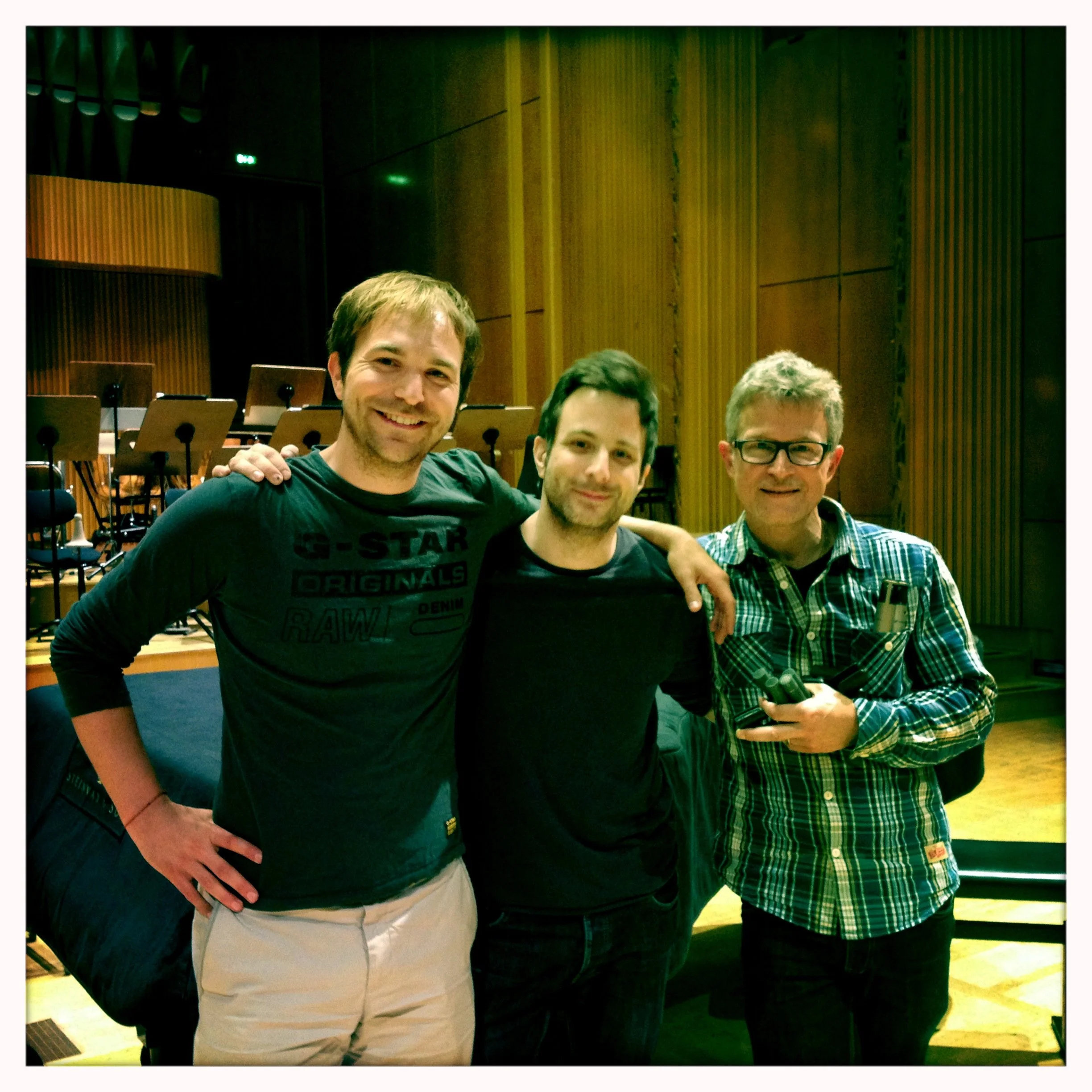
With Herbert Schuch and recording engineer Dirk Franken, WDR Cologne
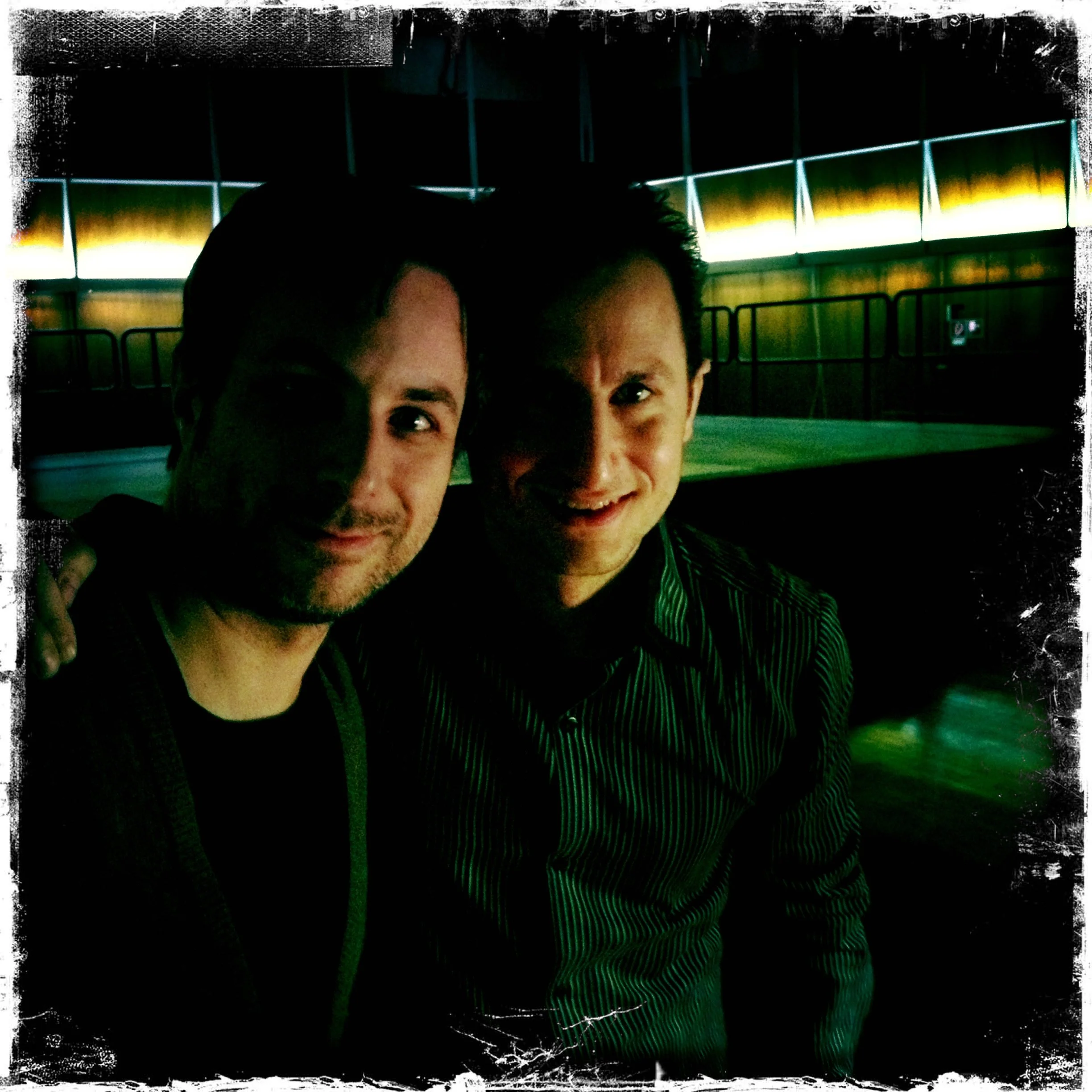
Shadow and light for Bach! Recording with Antoine Tamestit, Deutschlandfunk Cologne, 2012
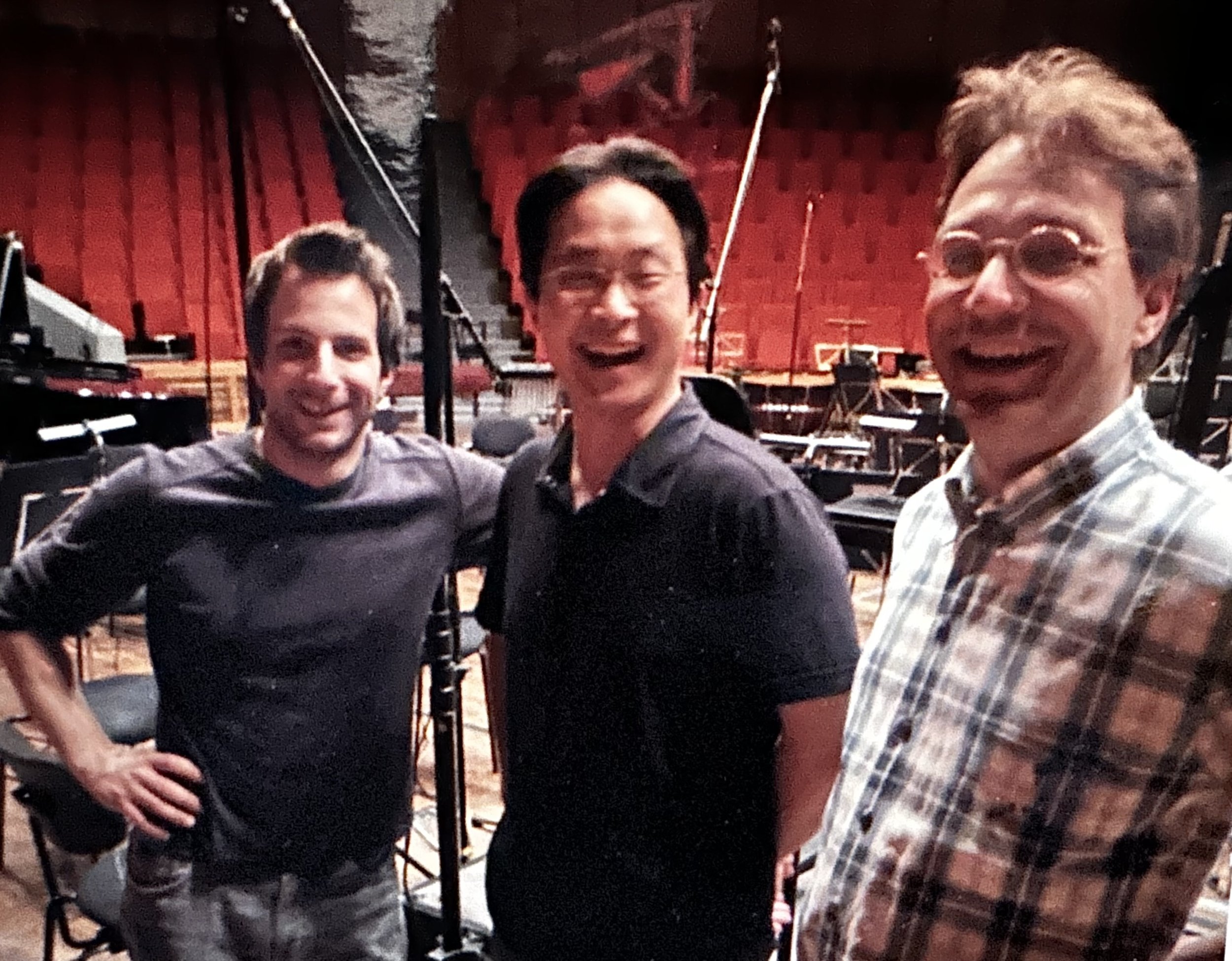
Back in 2006... with Jin Choi and Christian Zimmerli during the recording of the Gothic 3 game score in Bochum

Having fun recording the Gothic 3 Soundtrack, Bochum

What an honour to produce Thomas Adès piano works with Kirill Gerstein and the composer himself in the gorgeous sounding Boston Symphony Hall

At Boston Symphony's Hall studio with balance engineer Nick Squire recording Thomas Adès and Kirill Gerstein

Having fun with Kirill Gerstein and Thomas Adès
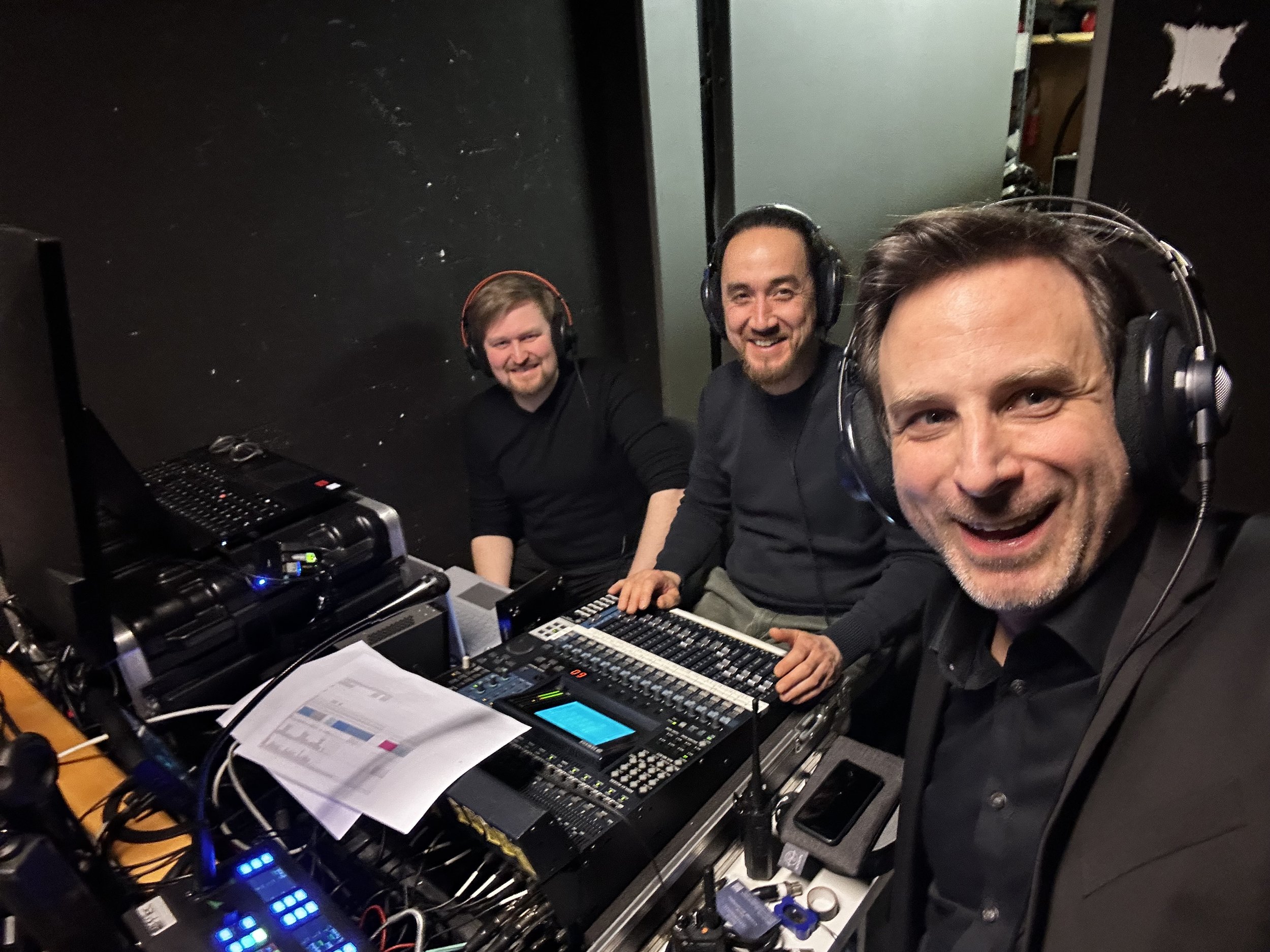
Small control room in a staircase at Konzerthaus Dortmund, with engineers Daniel Przemus and David Schwager, moments before we go live on DG STAGE+ and ARTE Concert
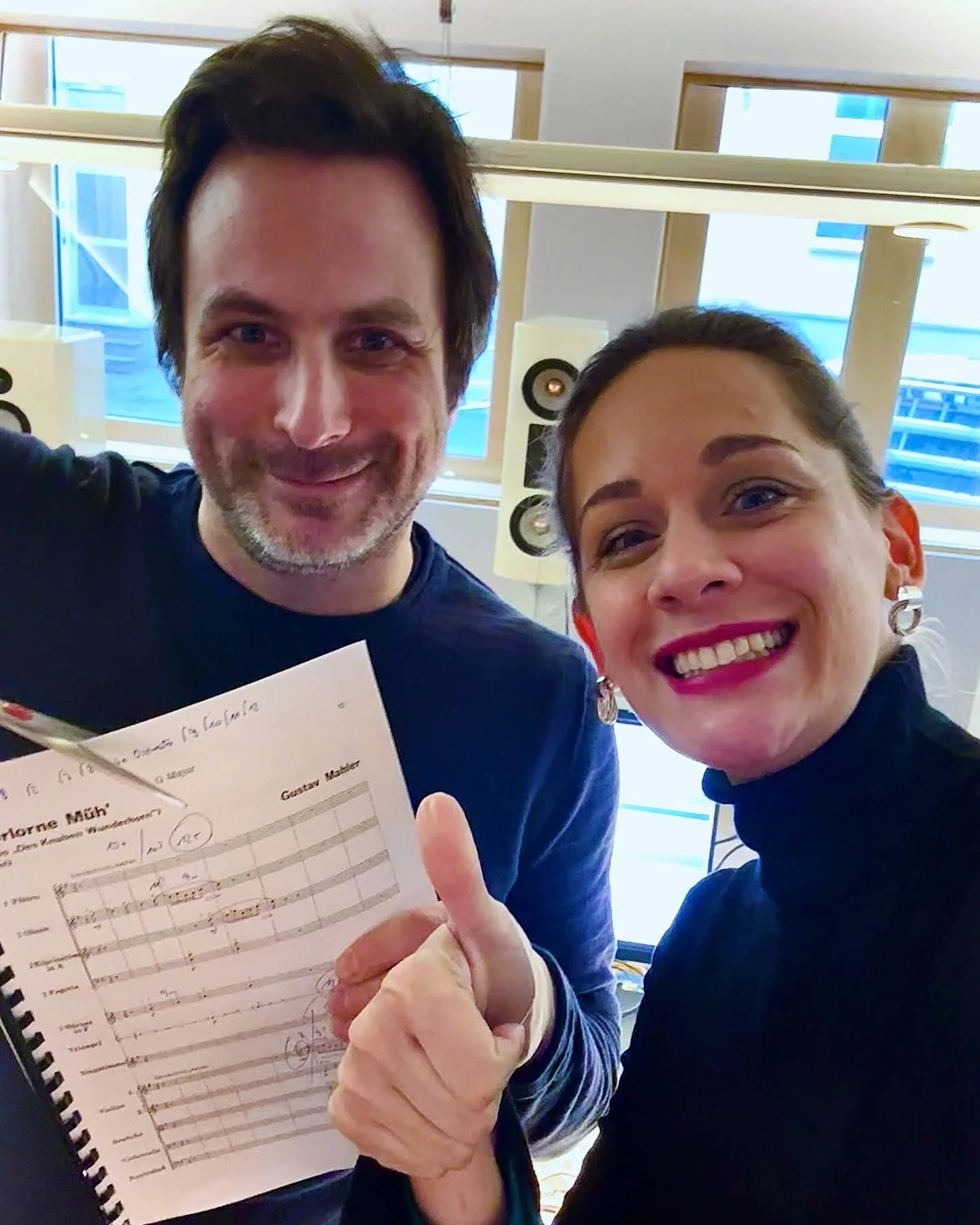
Hardcore editing Mahler lieder with Anna Lucia Richter (surely not "Verlor'ne Müh"!)
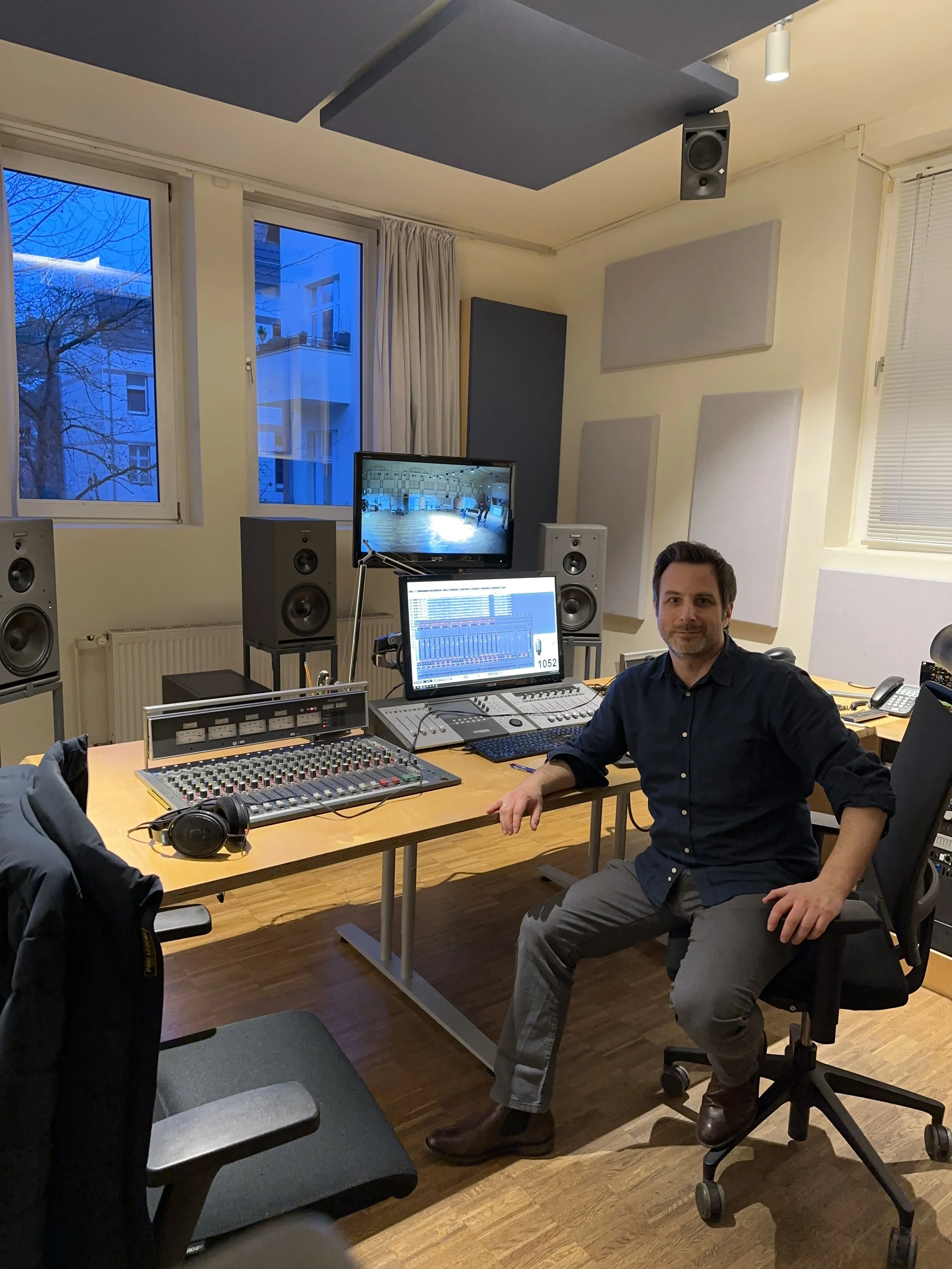
At Teldex Studios Berlin
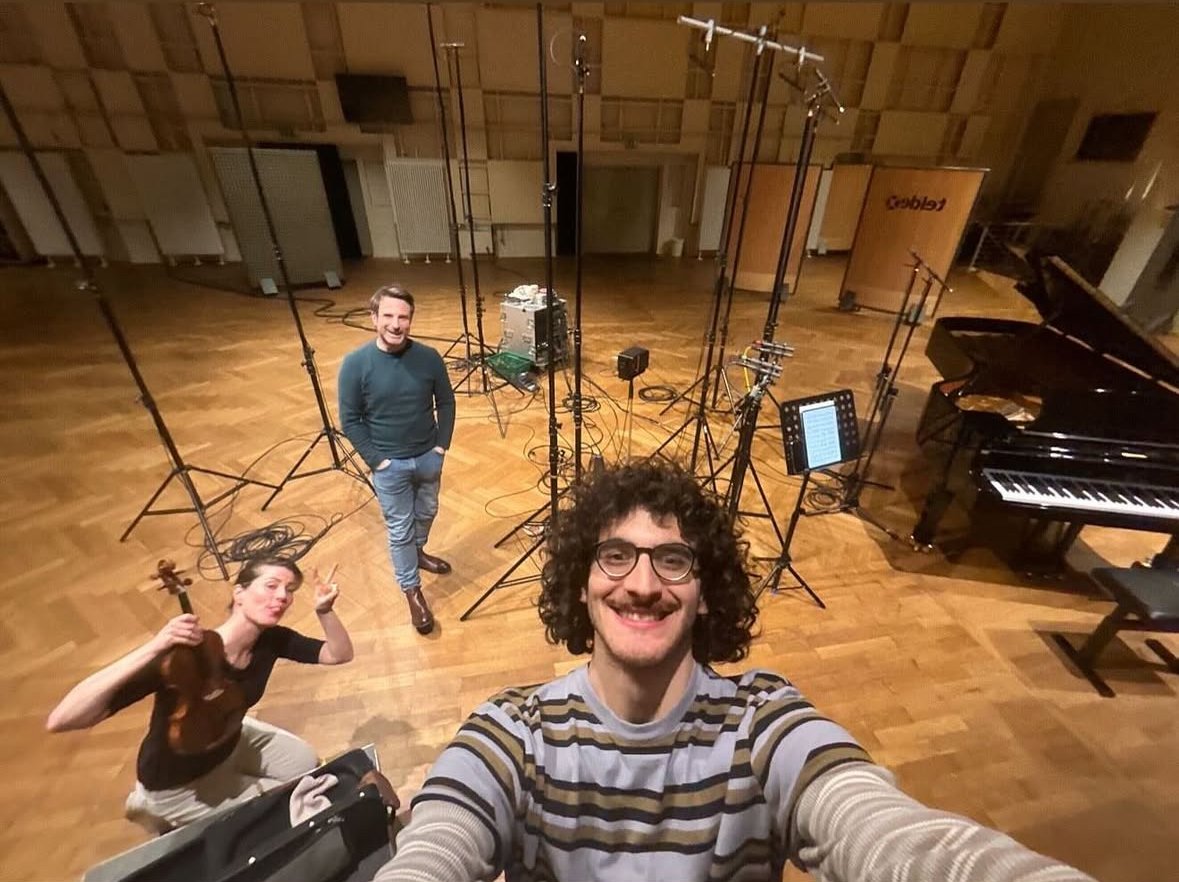
With Lisa Batiashvili and Giorgi Gigashvili at Teldex Studios Berlin
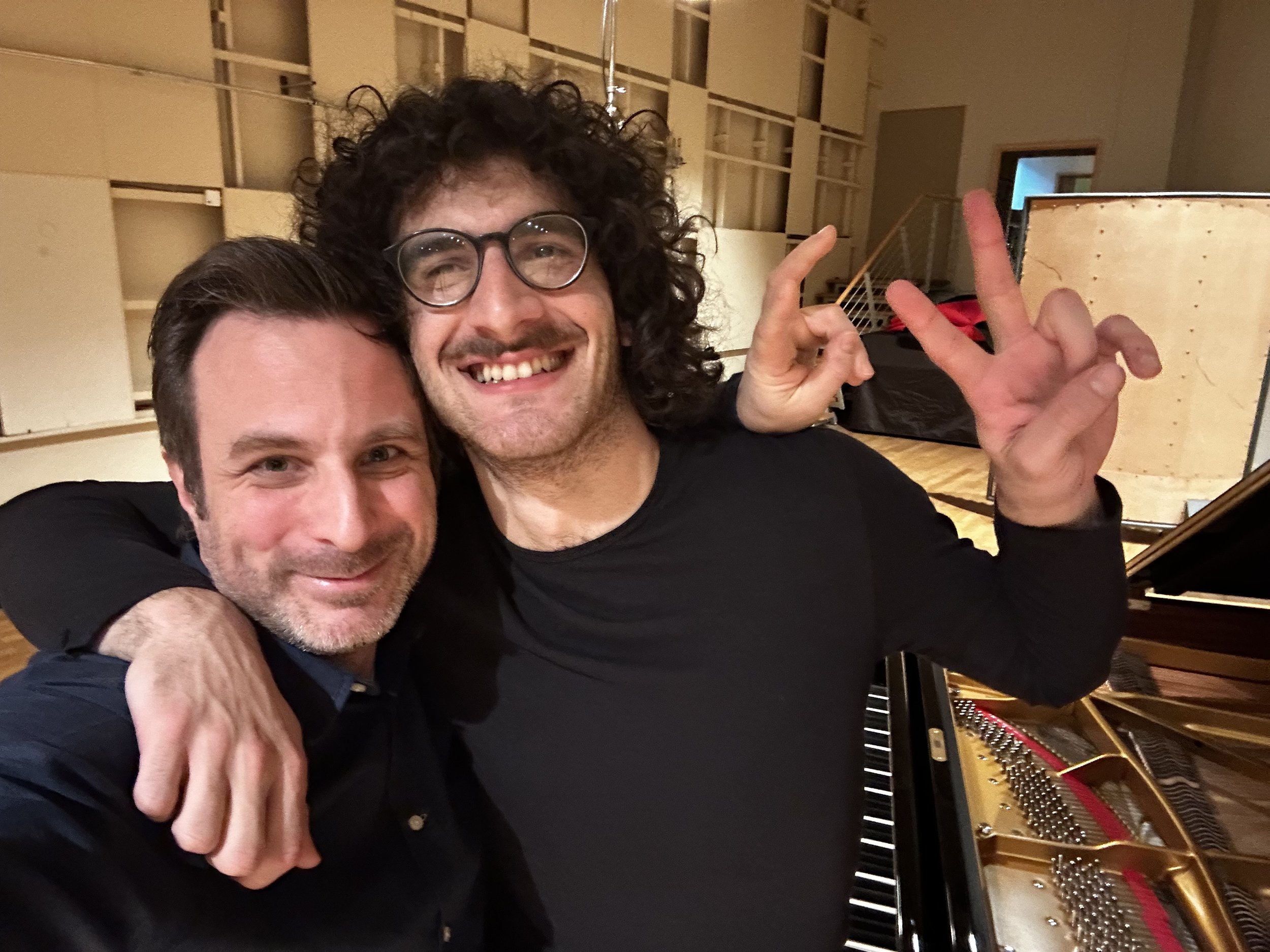
Happy Giorgi Gigashvili after finishing his second album at Teldex Studio Berlin
What the press says
"Stephan Cahen's sound is like liquid gold"
– Sächsische Zeitung Dresden
"What immediately strikes the listener is how good the recording quality is."
– International Record Review
"Much credit to Stephan Cahen for producing and engineering another outstanding recording."
– SA-CD.net
"The recording is crowned by an excellent recording quality; Stephan Cahen simply knows his craft"